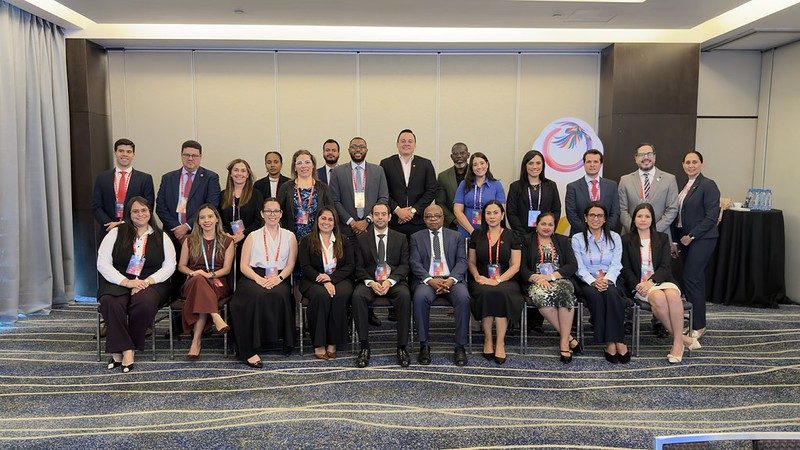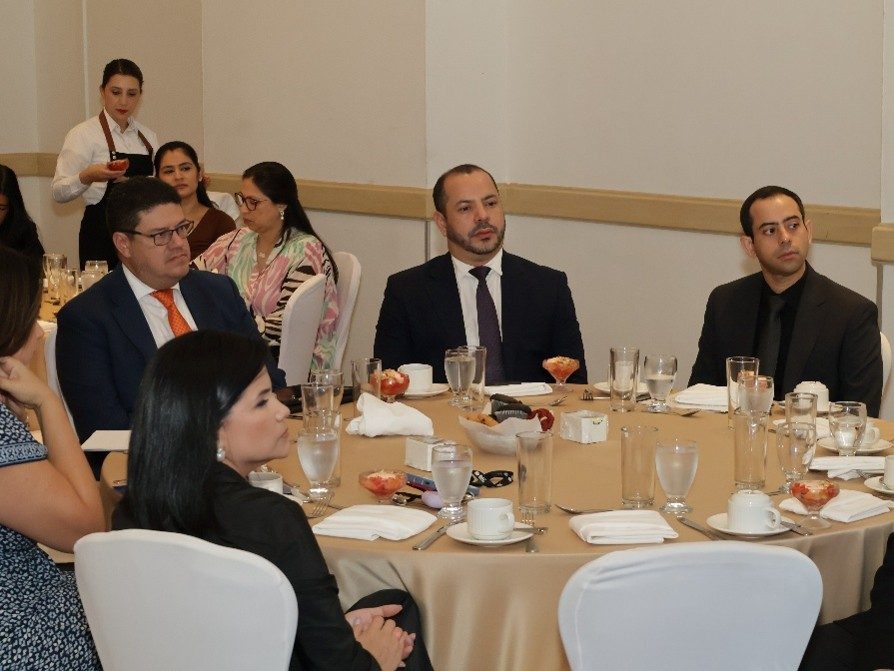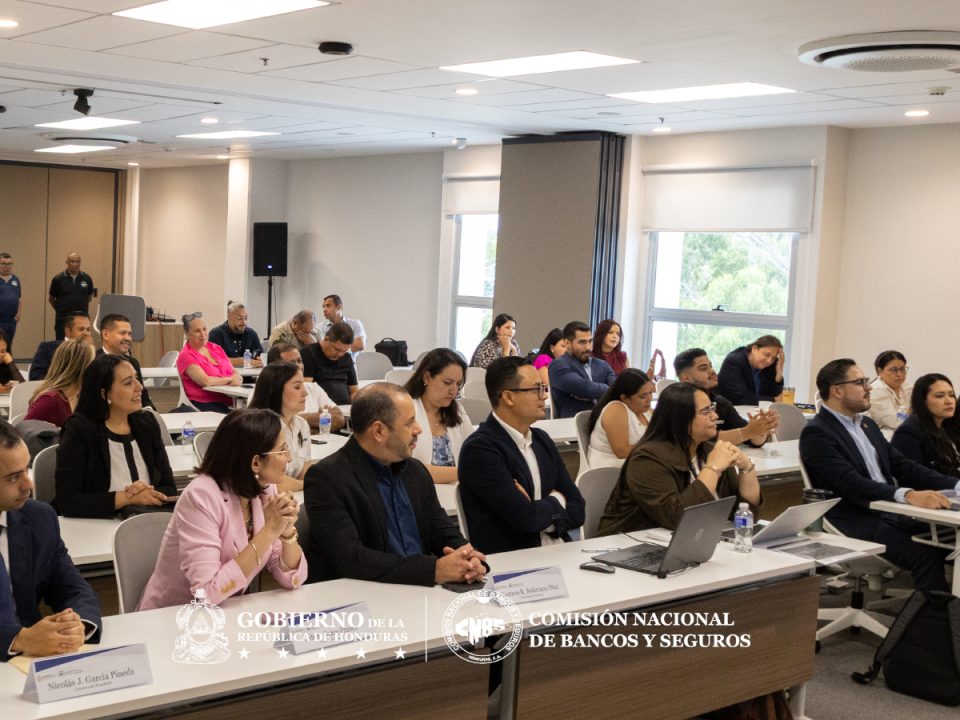
The CNBS participates in the event ‘Include to grow: a call to action to close the gender financial gap in Uruguay’
9 de June de 2026
The CNBS successfully wraps up the first Financial Journalism Course
29 de July de 2026The National Commission of Banks and Insurance (CNBS) reaffirms its commitment to promoting financial inclusion in Honduras, and in line with its focus on continuous improvement, it actively supports the professional development of its staff by adopting the best international practices.
As part of this commitment, during June 2026, the CNBS actively took part in various meetings of the working groups of the Alliance for Financial Inclusion (AFI), which has significantly contributed to strengthening its technical and regulatory capacities, addressing highly relevant issues.
- Innovation and trust for a safe digital financial ecosystem

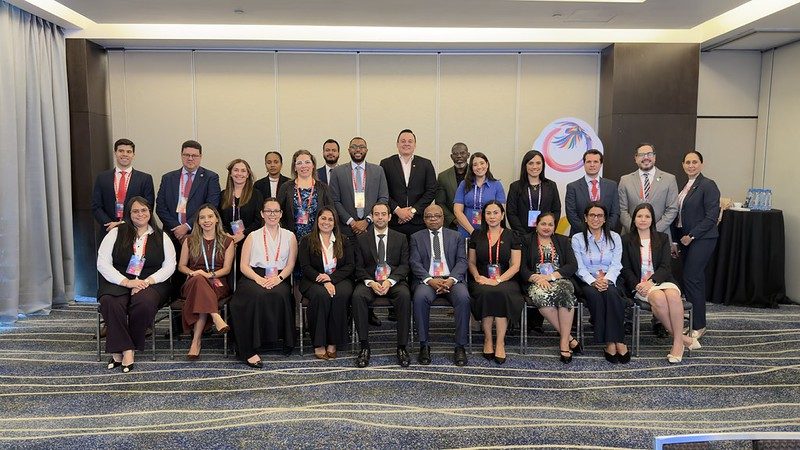
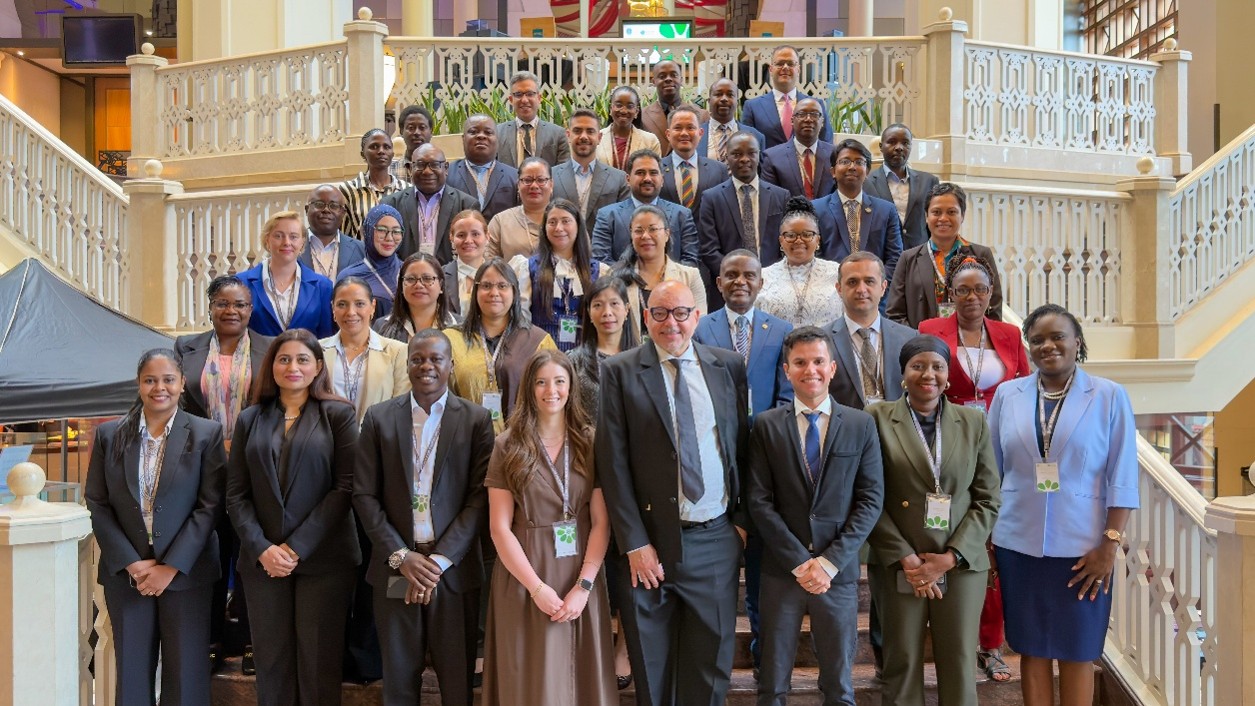
From June 15 to 18, 2026, Licentiate José Rolando Vega, Head of the Department of Competition and Financial Innovation and member of the Digital Financial Services (DFS) Working Group, and Licentiate Andrea Osorio, Head of the Department of Market Discipline, Transparency, and Financial Education and member of the Consumer Empowerment and Market Conduct (CEMC) working group at AFI, met in Paramaribo, Suriname, to discuss the importance of building trust and inclusion among consumers, especially for women and vulnerable groups, as digital finance expands.
The event, co-sponsored by the Central Bank of Suriname (BCS), explored lessons from Suriname’s financial inclusion roadmap, as well as topics related to consumer protection, digital payments, AI and data-driven business models, cybersecurity, gender equity and empowerment, and how to protect children in the digital age.
- Moving forward in the implementation of inclusive green finance
From June 22 to 24, 2026, the Inclusive Green Finance Working Group (IGFWG) met in Kuala Lumpur, Malaysia; representing CNBS, Licenciada Margie Castro, Head of Counterparty, Liquidity, and Market Risk, had an outstanding participation in the session “Harmonization of Green Finance Taxonomies,” which addressed the strategic implementation of the Common Framework of Green Finance Taxonomies for the Latin America and Caribbean region, and the Paramaribo Roadmap toward inclusive green finance.
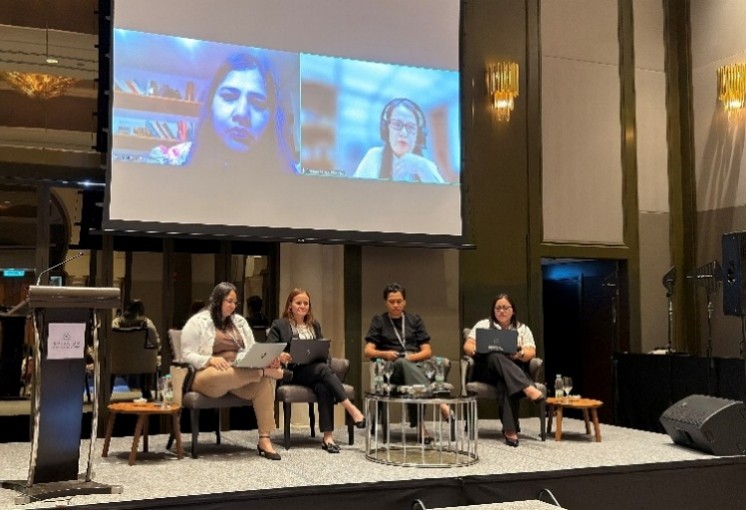
During session a, the participants analyzed the challenges and opportunities of adapting regional standards to national contexts, as well as the issues related to data availability and reporting, key aspects for financial inclusion policymakers to be able to channel capital to MSMEs and vulnerable populations.
- Evidence-based decisions: strengthening national financial inclusion strategies and the use of data
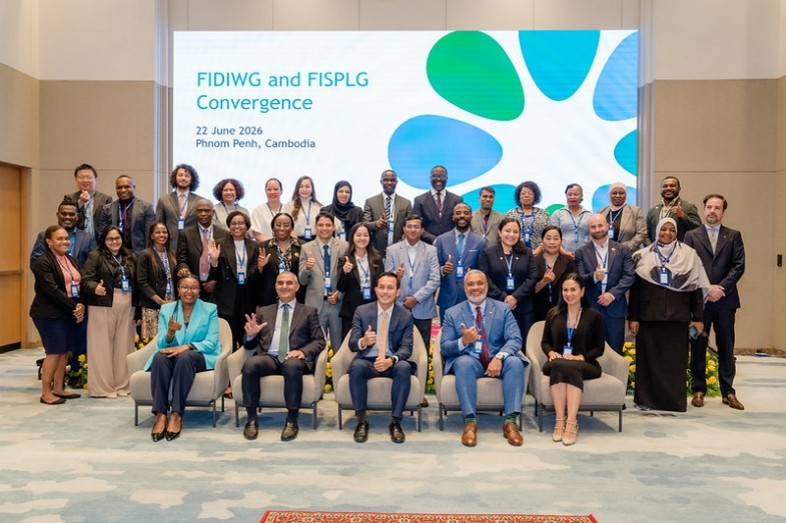
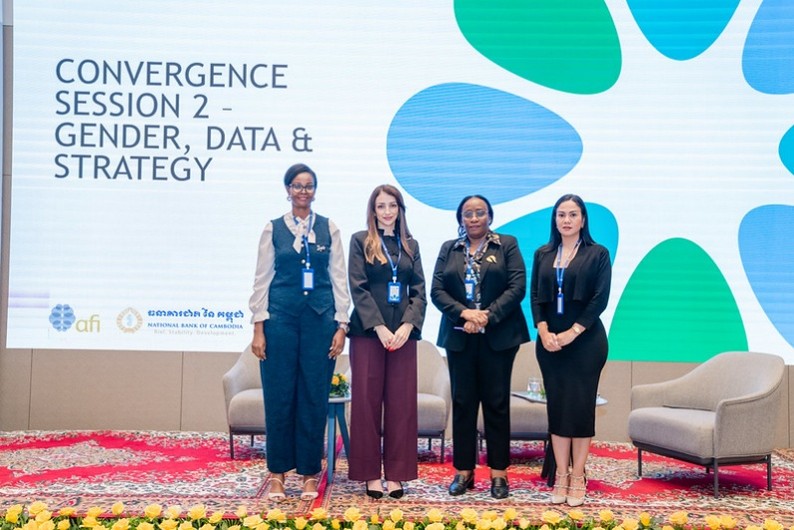
From June 22 to 25, in Phnom Penh, Cambodia, AFI and the National Bank of Cambodia (NBC) co-organized meetings of the Financial Inclusion Data and Impact Working Group and the Peer Learning Group on Financial Inclusion Strategies, which were attended by Marcela Herrera, Manager of Financial and Gender Inclusion Education, and Magda Rocío Juarez, Head of the Information Management and Quality Department.
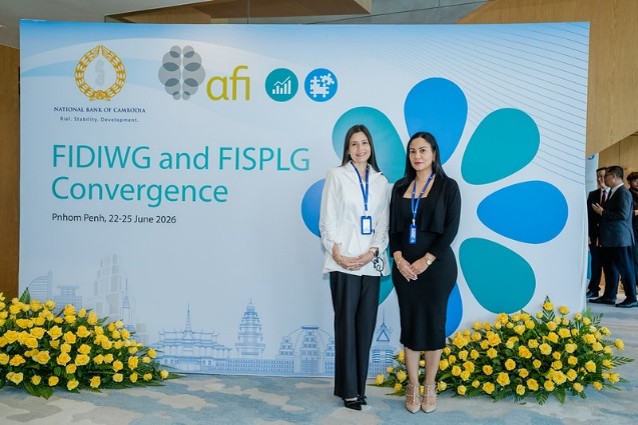
The meetings aimed to dive deeper into the evidence-based implementation of national financial inclusion strategies with a gender focus. Based on the conceptual frameworks and tools developed by AFI, the space was oriented towards analyzing concrete experiences, highlighting progress, regulatory challenges, and policy adjustments that have emerged in practice. In this way, the discussion encouraged a focus on how sex-disaggregated data translates into effective actions that contribute to women’s sustainable financial well-being.
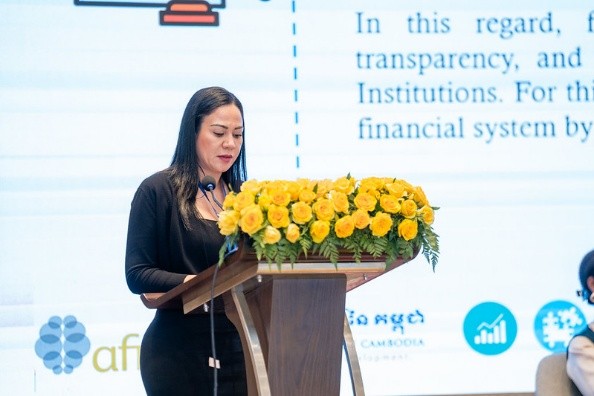
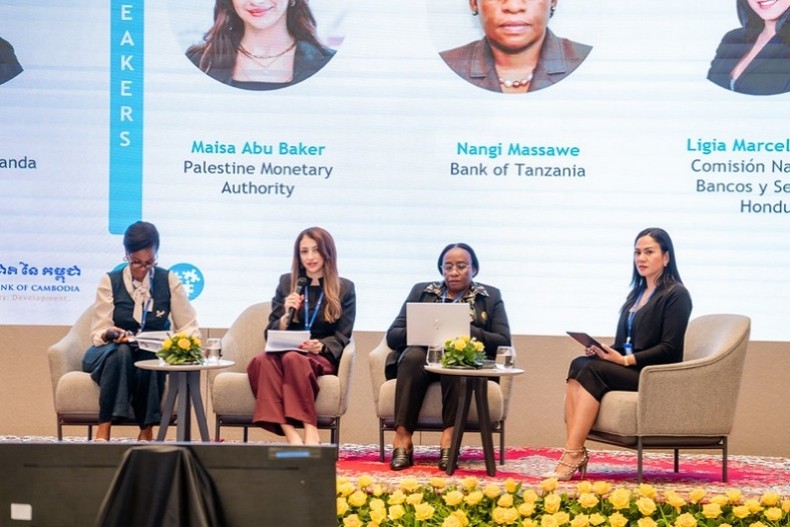
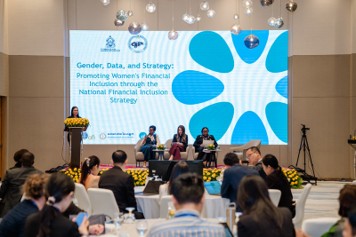
For her part, representing the CNBS, Licenciada Herrera took part in the session “Gender, Data, and Strategy: Promoting Women’s Financial Inclusion through the National Financial Inclusion Strategy”, where she shared Honduras’ experience in promoting women’s financial inclusion. During her talk, she highlighted the actions and initiatives that have helped shape and implement public policies aimed at ensuring a safe transition for women from accessing financial products and services to actively, responsibly, and sustainably using them.
- Peer Learning Exchange (PLE) Participation – Study Visit on Behavioral Economics
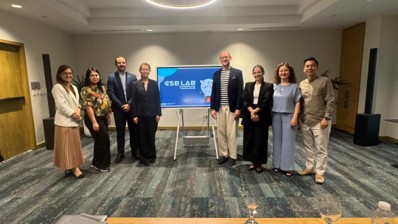
From June 23 to 25, 2026, Lic. María José García Madrid, Assistant to the Commissioners’ Office, took part in the Peer Learning Exchange (PLE) – Study Visit on Behavioral Economics, held in Santo Domingo, Dominican Republic. The meeting brought together representatives from regulatory agencies from different countries with the aim of strengthening their skills in applying behavioral economics in regulation, supervision, and promoting financial inclusion, through the exchange of experiences and understanding how the Behavioral Economics Laboratory (SB-LAB) works.
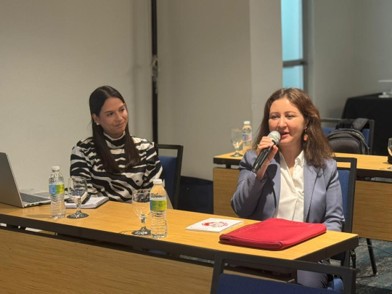
During the sessions, Lic. García attended workshops on behavioral economics tools, designing evidence-based interventions, financial consumer protection, analyzing success stories, and planning actions for their implementation in each country. Her participation helped identify opportunities to adapt these methodologies to the Honduran context, contributing to strengthening institutional capacities to design policies and initiatives that promote better financial decisions and greater protection for users of the financial system.